|
||
|
|
TAKE ACTIONTravel Management Planning on Arizona's National Forests
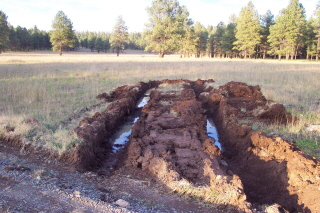
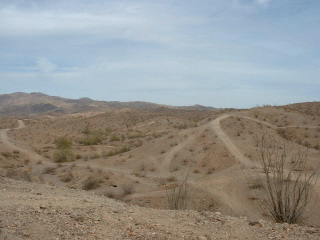
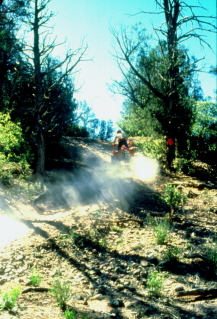
Quick Take Action Links: Everyone has a right to enjoy our national forests, but no one has the right to abuse those forests, which belong to all of us. The below information and links should help you participate in this very important process to protect your national forests from noise and pollution. Apache-Sitgreaves National Forest (hosted by our friends at the White Mountain Conservation League) Coconino National Forest (currently being built-stay tuned) Kaibab National Forest (hosted by our friends at the White Mountain Conservation League) Tonto National Forest (currently being built-stay tuned) Coronado National Forest (hosted by our friends at Sky Island Alliance) BackgroundNearly 30 years after the signing of a presidential order designed to protect our forests from off-road vehicle abuse, the Forest Service is putting regulations in place nationwide to protect our public lands from additional off-road vehicle damage. The Travel Management Rule forces the U.S. Forest Service to designate routes and areas open to off-roading — reserving other areas for the benefit of wildlife, plants, and quiet recreation. National forests in Arizona offer some of the country’s most diverse natural resources in an arid and fragile environment that is exceptionally sensitive to the ravages of off-road vehicle abuse. Some of the finest rivers in the Southwest, such as the Verde, Blue, and San Francisco rivers are located on our public lands. With no clear rules in place about where off-road recreation is allowed on the forests, these rare and valuable riparian areas are at high risk for long-lasting damage. The ProblemThe people who ride off-road vehicles should have access to the national forests, but it should be separate from the places the majority of visitors use to escape noise and pollution. No one has the right to abuse and degrade public resources that belong to all of us. Moreover, off-road vehicle ownership and use is increasing at an alarming rate all over the country, most rapidly in the West. 25,000 ATVs and 8,000 dirt bikes are sold each year in Arizona, and currently off-road vehicles can go cross country throughout the Forests with very few exceptions. Arizona travel-management officials are proposing to allow driving cross-country to retrieve downed game for up to three miles in some areas. One forest has proposed a 600-foot-wide corridor along nearly 1,000 miles of routes, in which people will be allowed to drive anywhere they want to camp with their cars, RVs, and trailers. This kind of habitat fragmentation is not only bad for wildlife, but it affects the enjoyment of other recreational pastimes on the forests, such as hiking, bird watching, hunting, and horseback riding.
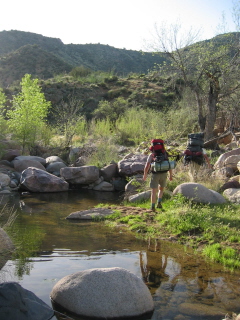
For example, according to a 2006 Arizona Game and Fish Department study, active hunters indicated that disruption caused by off-road vehicles was among the top four “barriers to participating in hunting” in Arizona. In fact 54% of the respondents indicated that disruption caused by off-road vehicle use was a significant barrier to their participation in hunting. Our WorkThe Arizona Wilderness Coalition is working to ensure that the Forest Service prioritizes the protection of our natural resources for all Americans over the demand—from a small but vocal minority—for widespread motorized access. By collaborating with public land advocacy groups throughout Arizona, we’re playing a key role in ensuring that the Travel Management Rule is implemented appropriately to protect wildlife habitat, quiet recreational areas, and wilderness character. We need to safeguard large segments of the national forests for those of us who like to hike, backpack, hunt, camp, and otherwise visit the forests to experience nature without noise and pollution. Travel Management Planning provides us a rare, and perhaps our only, opportunity to help create a balanced plan for our favorite National Forest.
How You Can Help
Take Action to Protect Our Quiet Forests!Each forest in Arizona is at a different place in its planning process, and the below links should help you participate in this very important process to protect your national forests from noise and pollution.
Apache-Sitgreaves National Forest (hosted by our friends at the White Mountain Conservation League) Coconino National Forest (currently being built-stay tuned) Kaibab National Forest (hosted by our friends at the White Mountain Conservation League) Tonto National Forest (currently being built-stay tuned) Coronado National Forest (hosted by our friends at Sky Island Alliance)
|
  |